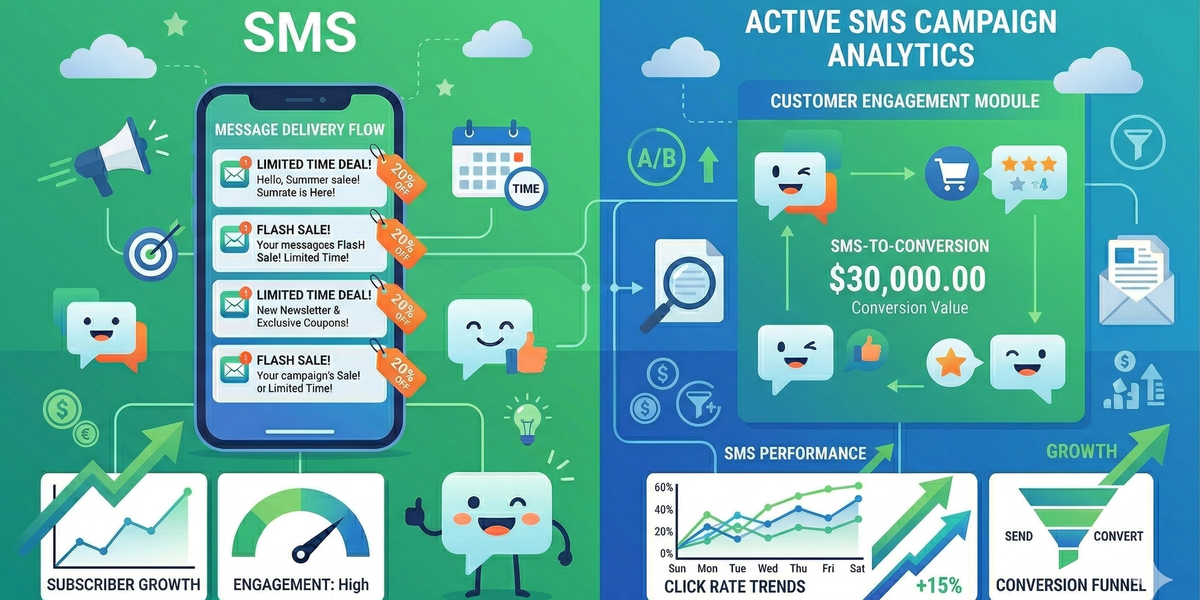
SMS marketing is one of the most effective ways to reach customers instantly and drive results. However, simply sending messages is not enough — you need the right strategy to maximise engagement and conversions.
In this guide, we’ll explore the best SMS marketing strategies businesses can use to grow and succeed.
Why SMS Marketing Works
SMS marketing continues to outperform many other channels because:
• Messages are delivered instantly • High open and response rates • Direct communication with customers • No reliance on apps or internet
This makes SMS a powerful tool for both marketing and customer communication.
1. Build a Quality Contact List
A strong SMS strategy starts with a high-quality contact list.
Focus on:
• Customers who have opted in • Active and engaged users • Segmented customer groups
Avoid sending messages to unverified or inactive contacts, as this reduces effectiveness.
2. Segment Your Audience
Not all customers are the same. Segmenting your audience allows you to send more relevant messages.
Examples of segments:
• New customers • Returning customers • VIP customers • Promotion subscribers • Event attendees
With DataFlows, you can easily organise contacts into lists and target each group.
3. Personalise Your Messages
Personalised SMS messages perform significantly better than generic ones.
Use tags such as:
• {name} • {company} • {custom_fields}
Example:
“Hi {name}, enjoy 20% off this weekend. Don’t miss out.”
Personalisation makes messages feel more relevant and increases engagement.
4. Keep Messages Short and Clear
SMS messages should be concise and easy to understand.
Best practices:
• Use simple language • Include a clear call-to-action • Avoid unnecessary words
Example:
“Flash Sale Today: 25% off all items. Visit now.”
5. Use Strong Call-to-Actions
Every SMS should guide the customer on what to do next.
Examples:
• Shop now • Book your appointment • Claim your discount • Reply to confirm
Clear calls-to-action improve conversion rates.
6. Time Your Messages Correctly
Timing plays a big role in SMS marketing success.
Best times to send messages:
• Mid-morning (10 AM – 12 PM) • Early evening (4 PM – 7 PM)
Avoid sending messages too early or too late.
7. Use SMS for Time-Sensitive Campaigns
SMS works best when urgency is involved.
Use SMS for:
• Flash sales • Limited-time offers • Event reminders • Last-minute deals
This encourages immediate action from customers.
8. Automate Your Campaigns
Automation helps save time and ensures consistent communication.
With DataFlows, you can:
• Schedule campaigns • Trigger messages based on actions • Integrate with APIs and tools like Zapier • Send automatic reminders
Automation makes your marketing more efficient.
9. Track and Improve Performance
To get the best results, monitor your campaigns and improve over time.
Track:
• Delivery rates • Response rates • Campaign engagement
Use this data to optimise future campaigns.
10. Stay Consistent
Consistency helps build customer trust and brand recognition.
Avoid sending too many messages, but stay active enough to remain visible to your audience.
Conclusion
SMS marketing is a powerful tool when used correctly. By following the right strategies — including segmentation, personalisation, timing, and automation — businesses can significantly improve engagement and conversions.
With DataFlows SMS, you can easily implement these strategies and run effective campaigns that drive real business growth.